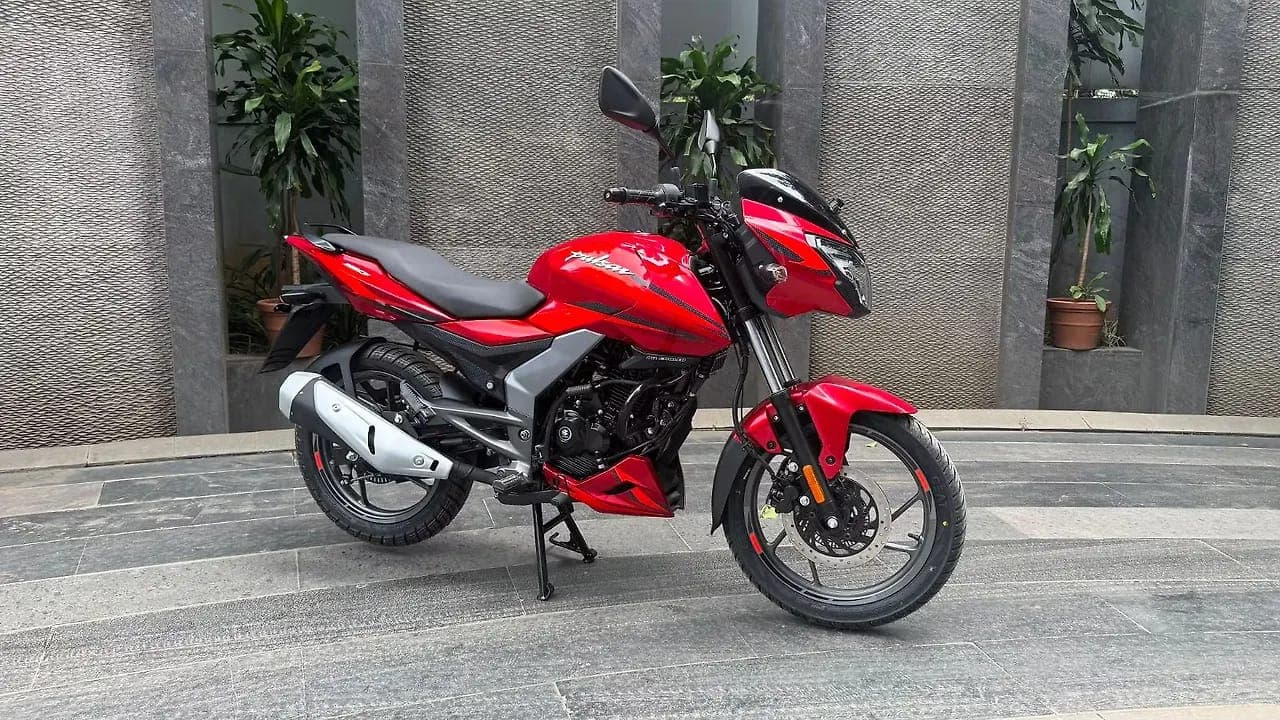
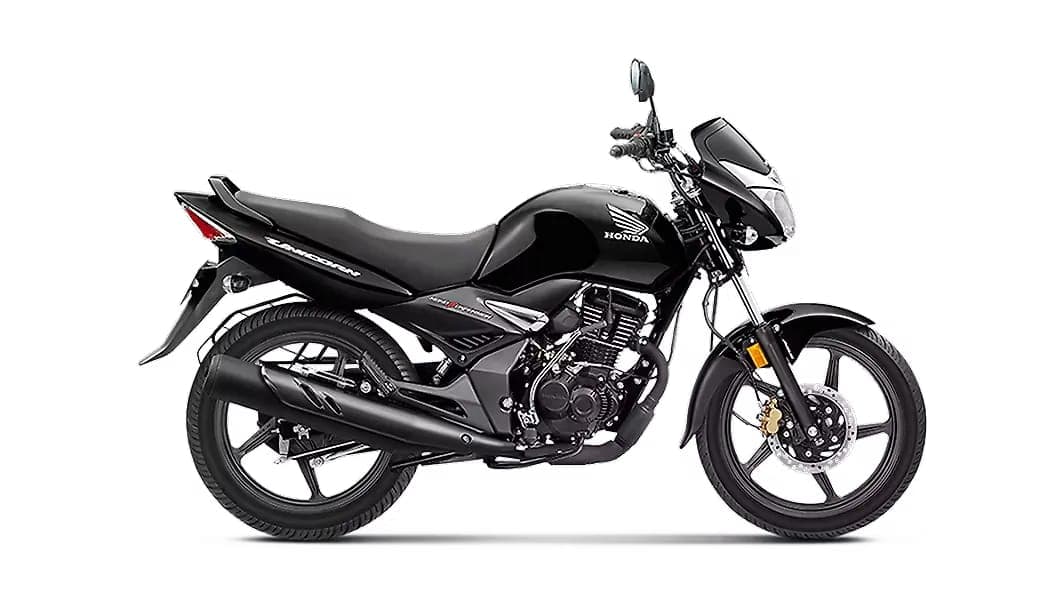
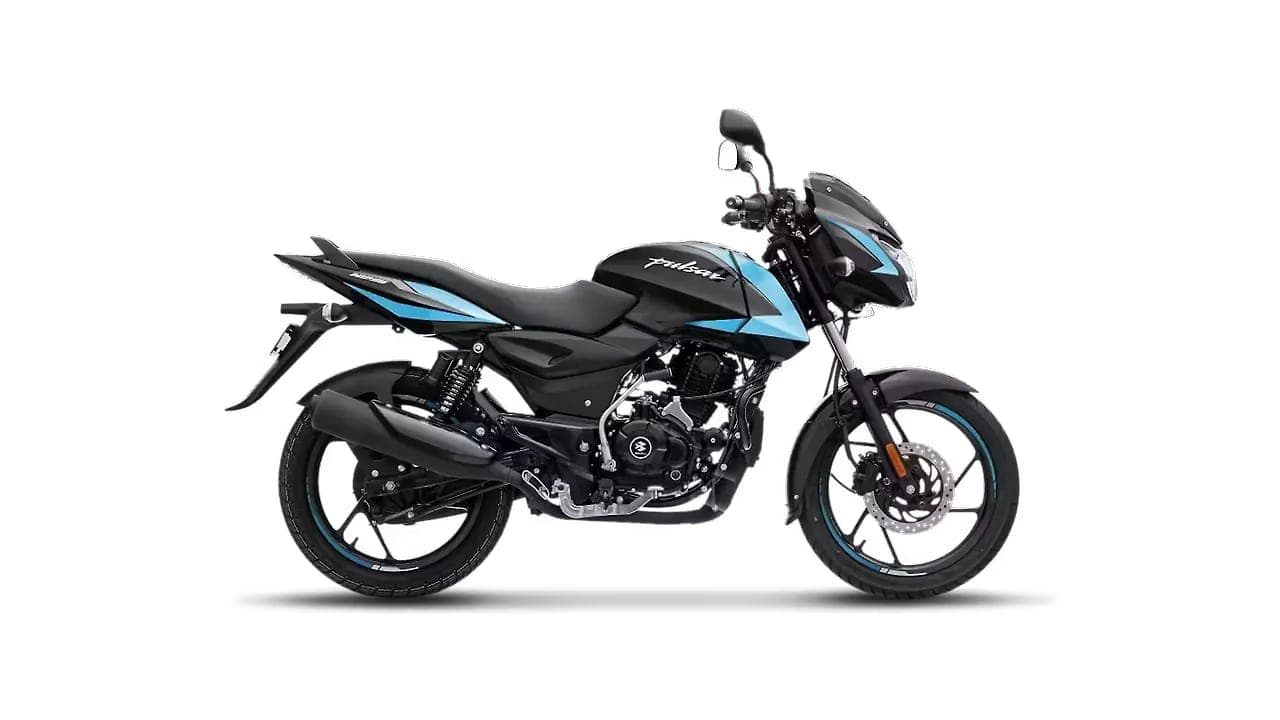
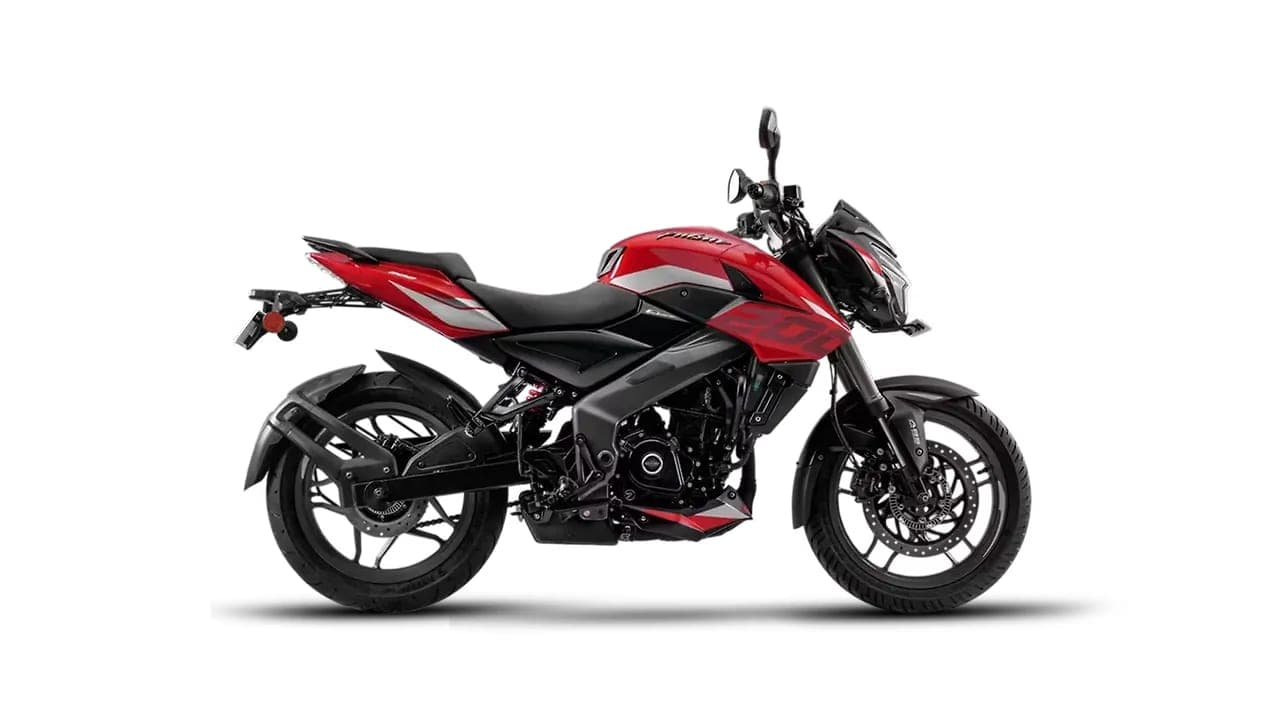
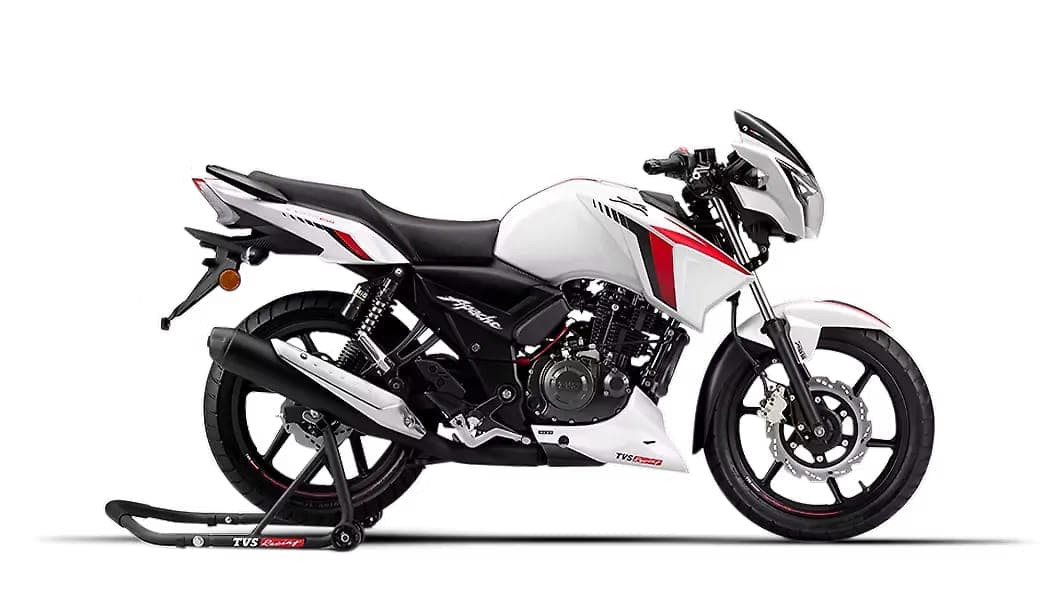
Bajaj Pulsar 150 vs Honda Unicorn
Prices ex-showroom Delhi, checked 2026-09. On-road and running costs estimated for Delhi.
Bajaj Pulsar 150 and Honda Unicorn are both sports bikes and turn up together on most shortlists. They are priced within ₹59 of each other, so this comes down to what each does with the money.
The Unicorn takes 3 of the 4 categories we score. Our overall ratings are 5.5/10 for the Pulsar 150 and 5.5/10 for the Unicorn.
Category by category
Price
Unicorn
The Unicorn starts ₹59 lower (₹1,15,241 against ₹1,15,300), about ₹10 a month less on a standard loan.
Performance
Pulsar 150
Pulsar 150 makes 1.0 bhp more, though the weights are close enough that the difference is modest.
Safety kit
Unicorn
Unicorn adds front disc brake and tubeless tyres that the Pulsar 150 does not have on any variant.
Warranty
Unicorn
Unicorn comes with 3 years of standard warranty against 2 on the Pulsar 150.
Which one should you buy?
Buy the Pulsar 150 if
- your priority is proven mid-capacity commuting
- your priority is occasional highway riding
Buy the Unicorn if
- you want the lower purchase price and EMI
- a longer standard warranty gives you peace of mind
- your priority is no-frills daily commuting
- your priority is riders prioritising reliability
What each really costs
Base variants, Delhi, 30 km a day. Servicing and insurance are class-typical estimates.
| Cost | Pulsar 150 | Unicorn |
|---|---|---|
| Ex-showroom | ₹1,15,300 | ₹1,15,241 |
| On-road, Delhi | ₹1,31,600 | ₹1,35,000 |
Full specification comparison
Better figure in each row is shown in green.
| Spec | BajajPulsar 150 | HondaUnicorn |
|---|---|---|
| Price | ||
| Starting ex-showroom | ₹1,15,300 | ₹1,15,241 |
| Rough EMI / month | ₹3,660 | ₹3,650 |
| Engine | ||
| Engine | 149.5 cc | 162.7 cc |
| Engine type | 1 Cylinder, Air/Oil Cooled, 2 Valves | 1 Cylinder, Air Cooled, 2 Valves |
| Power | 14 bhp | 13 bhp |
| Torque | 14.1 Nm | 14.6 Nm |
| Claimed mileage | — | 50 kmpl |
| Cooling | Oil-cooled | Air-cooled |
| Transmission | Manual | 5 Speed |
| Electric | ||
| Top speed | — | 106 km/h |
| Dimensions | ||
| Kerb weight | — | 139 kg |
| Fuel tank | — | 13 L |
| Seat height | — | 798 mm |
| Ground clearance | — | 187 mm |
| Wheelbase | — | 1335 mm |
| Length | — | 2081 mm |
| Width | — | 756 mm |
| Height | — | 1103 mm |
| Brakes & suspension | ||
| Front brake | — | Disc, 240 mm, 2 piston caliper |
| Rear brake | — | Drum, 130 mm |
| ABS / CBS | Single Channel ABS | Single Channel ABS |
| Front suspension | — | Telescopic |
| Rear suspension | — | Monoshock |
| Tyres | ||
| Front tyre | — | 80/100-18 |
| Rear tyre | — | 100/90-18 |
Pulsar 150 vs Unicorn: questions people ask
- Which is cheaper, the Pulsar 150 or the Unicorn?
- The Unicorn is cheaper by ₹59 at the base variant (₹1,15,241 against ₹1,15,300 ex-showroom Delhi).
- What is the on-road price difference between the Pulsar 150 and Unicorn in Delhi?
- About ₹3,400: roughly ₹1,31,600 for the Pulsar 150 and ₹1,35,000 for the Unicorn, base variants, including road tax, registration and insurance.